






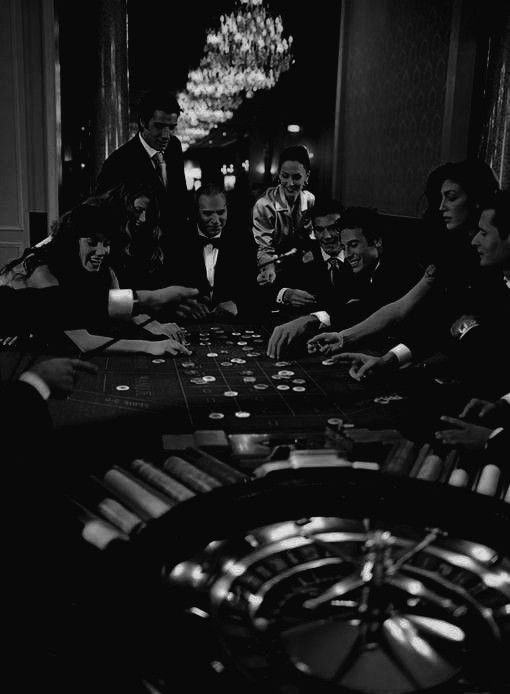

A casino bankroll is not a prediction, a lucky charm, or a secret handshake with the house. It is simply the amount of money set aside for gambling, with a firm boundary between that entertainment budget and the cash meant for rent, groceries, and the ordinary machinery of life. Set that boundary before opening a game, not after a losing streak has started negotiating like a crooked diplomat.
For a practical starting point, decide what you can comfortably afford to lose over a chosen period, then treat that figure as a spending limit rather than a target to spend. Notes, reminders, and simple tracking tools can help make the plan visible; even a reference such as https://oneathlete.app/ can sit among the resources you review while organizing your approach. The useful part is the habit: make decisions while calm, because the spinning reels are famously poor financial advisers.
Build a budget before the first spin
Start with disposable income, not optimism. Bills, savings, debt payments, and essential expenses come first; gambling money comes only from what remains after those obligations. If nothing remains, the bankroll is zero. That may not sound thrilling, but arithmetic has never been accused of pretending a losing session is “almost due” for a turnaround.
Next, choose a time period for the budget. A weekly or monthly limit can prevent one lively evening from quietly borrowing against several future ones. Divide the allowance into sessions if that makes the number easier to manage, and avoid increasing it because a game feels close to paying out. A near miss is still a loss, dressed in theatrical lighting.
| Planning step | Practical rule | Why it helps |
|---|---|---|
| Set a total limit | Use only money you can afford to lose | Keeps essentials outside the gambling budget |
| Choose a time frame | Set a weekly or monthly allowance | Stops one session from consuming the whole plan |
| Pick a session cap | Decide the loss and time limits in advance | Makes it easier to stop without bargaining |
| Track results | Record deposits, withdrawals, and session length | Shows whether the plan matches real behavior |
Choose stakes that fit the bankroll
Stake size determines how quickly a bankroll can rise or fall; it does not turn a random outcome into a dependable income stream. Smaller bets may allow more spins or hands, but they do not guarantee a longer session, and larger stakes can make ordinary variance feel like a plot twist written specifically for your wallet.
Before play, set both a loss limit and a time limit. Those are different guardrails: a session can become unwise because it is dragging on, even if the spending cap has not been reached. Once either boundary arrives, stop. The rule is less dramatic than a comeback montage, which is precisely why it tends to work better.
Use limits as actual limits
Many regulated operators provide deposit, loss, wager, or session-time controls. Where available, set them before playing and choose limits that match your budget. A limit is useful only if it cannot be casually widened in the heat of the moment; check any cooling-off period or adjustment delay in the account settings.
- Set a deposit cap based on your planned entertainment budget.
- Use session reminders or time-outs to interrupt long play.
- Keep a written record of gambling deposits and withdrawals.
- Do not borrow, use credit intended for essentials, or chase losses.
Understand variance without inventing a system
Casino games involve chance, and outcomes can vary sharply over short periods. A run of losses does not mean a win is owed, just as a run of wins does not prove a personal system has cracked the code. Randomness is irritatingly indifferent to confidence, streak charts, lucky socks, and the solemn declaration that “one more round” will fix everything.
Game rules and published return-to-player information can help explain how a game is designed over a very large number of plays. They cannot predict what will happen in a particular session or promise that a player will receive a stated share back. Read the rules, understand the stakes, and regard any theoretical return figure as context—not a forecast for tonight.
Spot the moment to step away
Bankroll management is not only about numbers; it is also about noticing when the plan has stopped governing the session. If you are hiding gambling, repeatedly depositing beyond your limit, losing sleep, or playing to recover money, pause rather than trying to outsmart the warning signs. The casino floor may be digital, but stress has excellent offline service.
Take a break, block access if needed, and speak with someone you trust. Many jurisdictions offer confidential gambling support, self-exclusion tools, or advice services; consult locally available resources if gambling is causing harm. Asking for help is not a failure of discipline. It is a sensible response to a problem that has grown beyond a budget spreadsheet.
Keep the purpose in perspective
A sustainable approach has a deliberately unglamorous shape: set an affordable limit, choose reasonable stakes, track the session, and stop when the boundary arrives. Wins should not become a reason to raise the next budget, and losses should not become a bill that must be paid back at the tables. Neither outcome changes the original arithmetic.
Used as paid entertainment, gambling can fit within a controlled budget for some adults. Used as a plan for income or a way to repair finances, it is a poor tool with very persuasive graphics. Let the bankroll have a hard edge, let the clock have a say, and leave the casino’s imaginary comeback story to the games themselves.


