






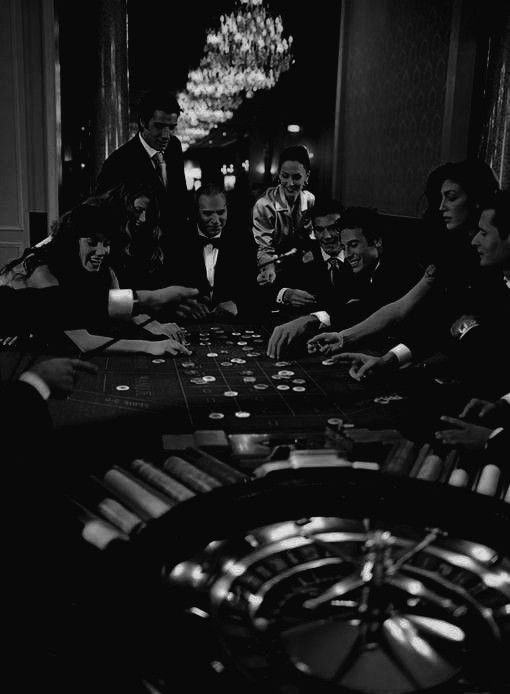

A casino session can feel like a small expedition: there is a bankroll, a destination, and a collection of distractions dressed up as opportunity. The useful question is not whether a game can pay out. It can. The useful question is how to make choices with eyes open, before the lights and rapid-fire rounds start making decisions on your behalf.
That starts with practical planning, not lucky charms or confident predictions. A visit to roomescapesouthend.com may involve a different kind of entertainment, but the same principle applies: know what you are signing up for, check the details, and decide what a good experience looks like before you arrive. Casino play deserves that kind of deliberate approach too.
Set the boundaries before the first spin
A spending limit works best when it is money you can afford to lose without borrowing, delaying bills, or raiding savings. Think of it as the price of an evening’s entertainment, not an investment waiting to mature. Once the amount is gone, the session is over. The machine does not know your budget; it certainly will not admire your persistence.
Time needs a boundary as well. Choose a stopping point before play begins and use an alarm if necessary. Short breaks can help you check how much you have spent and whether you are still enjoying yourself. If the answer has become “I’ll feel better after one more win,” that is a warning sign, not a strategy.
- Set a cash or deposit limit and do not increase it during play.
- Decide how long you plan to play, including breaks.
- Keep gambling money separate from rent, food, travel, and other essentials.
- Do not chase losses or treat a win as permission to ignore your limits.
- Stop if play becomes stressful, secretive, or difficult to control.
Understand what the game is actually telling you
Slots, table games, and live games differ in pace and rules, but none can promise a personal result. Return-to-player figures are theoretical averages calculated across extensive play, not a forecast for a particular visit. A slot with a stated RTP of 96% does not owe a player 96% of their stake back in one sitting; the remaining four percent is not a tidy receipt for the night either.
Volatility describes how a game’s outcomes may be distributed. Higher volatility can mean less frequent wins with larger swings, while lower volatility may involve more frequent, smaller outcomes. Neither label makes a game suitable for every bankroll. Read the paytable, understand bonus-round rules, and check bet sizes before starting. If the explanation feels like a contract written by a particularly mischievous parrot, choose a game whose rules you can follow.
| Term | What it means | What not to assume |
|---|---|---|
| RTP | A theoretical long-run return expressed as a percentage | That the percentage predicts your session’s result |
| Volatility | The general pattern and size of potential swings | That higher volatility means a better chance to win |
| Paytable | The game’s listed symbols, payouts, and features | That a feature guarantees a profitable outcome |
| House edge | The mathematical advantage built into a game | That skill or timing can erase it consistently |
Choose a format that fits your mood and budget
Fast games can use a bankroll quickly, especially when bets are increased after a losing streak. Slower formats may leave more room to think, though they still carry risk. Table games add rules and decisions; live dealer formats add a human host, not a secret route around probability. Pick a pace you can comfortably afford, then keep the stake steady rather than improvising under pressure.
Before depositing online, check the operator’s licensing information, accepted payment methods, withdrawal rules, identity checks, and account limits. Read bonus terms carefully if you choose to use an offer: wagering requirements, eligible games, expiry dates, and maximum cashout rules can change its practical value. A headline number is easy to print; the conditions are where the small print clears its throat.
A quick pre-session checklist
- Can you name your loss limit and stopping time?
- Have you read the rules and payout information for the game?
- Do you understand the payment and withdrawal conditions?
- Are you playing for entertainment rather than to solve a money problem?
Know when to close the account for the evening
A winning streak is not evidence that the next round is due to pay, and a losing streak does not make a win more likely. Random outcomes do not keep a scorecard or feel sympathy. That can be irritating, particularly when a near miss arrives with the theatrical timing of a stage actor. It is still not a signal to increase your stake.
Leaving on schedule is a successful session, even if the balance is lower than it started. If you find yourself hiding gambling, borrowing to continue, or repeatedly breaking limits, step away and seek support. Consider using account blocks, deposit limits, or self-exclusion tools, and contact a gambling support service in your region. Asking for help is sensible risk management, not a failure of character.
Good casino habits are deliberately unglamorous: set a budget, understand the rules, take breaks, and stop when planned. There is no clever system that turns gambling into dependable income. Treat the entertainment as entertainment, keep essential money out of play, and let a measured exit be part of the plan from the start.


