






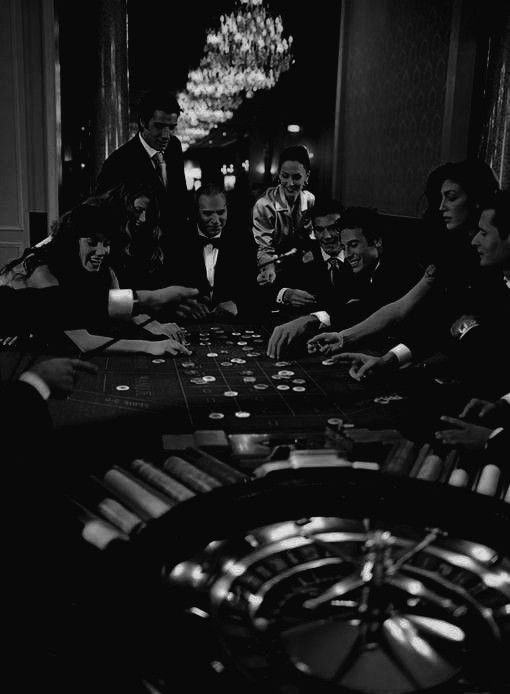

Casino games can look like bright little machines for turning spare time into a story. Under the lights, though, each one follows a structure: rules, probabilities, payout patterns and a house edge. Understanding that structure does not make a result predictable. It does make it easier to choose a game with open eyes rather than treating a lucky streak as evidence of a secret system.
A useful starting point is to compare how games behave, not just how their screens look. Even a quick visit to https://benhudsonmusic.com/ is a reminder that an online destination can invite browsing, while the details that matter still deserve a closer look. In a casino, those details include the rules, the stated return to player (RTP), bet limits and whether the game is available where you live.
What RTP Can—and Cannot—Tell You
RTP is a theoretical percentage describing how much a game returns across a very large number of wagers. A slot listed at 96% RTP is not promising that a player will receive $96 back for every $100 wagered during an afternoon session. Short-term results can land far above or below that figure; chance has no obligation to tidy up its bookkeeping before you log off.
The house edge expresses the same relationship from the other side. If a game has a 4% house edge, its mathematical expectation is a loss of four cents per dollar wagered over the long run, not a forecast for a particular player or visit. Table rules can shift that edge, so blackjack strategies, roulette variants and even seemingly minor rule differences are worth checking before placing a bet.
| Term | What it describes | What it does not promise |
|---|---|---|
| RTP | Long-run theoretical player return | A fixed return in one session |
| House edge | Long-run mathematical advantage for the operator | The result of the next spin or hand |
| Volatility | How unevenly a game’s wins may arrive | Whether a win is due |
Volatility: The Shape of the Ride
Volatility describes the distribution of outcomes. A low-volatility slot may produce smaller wins more often, while a high-volatility game may deliver longer dry spells punctuated by larger payouts. Neither style changes the basic fact that every result is uncertain. High volatility is not a shortcut to a jackpot; it is more like choosing a mountain road because the scenery looks dramatic and then acting surprised at the bends.
Game descriptions do not always make volatility easy to compare, and labels can vary between providers. Look for published rules, paytables and explanations of bonus features. A feature with several stages may be entertaining, but its animation is not a measure of its value. If the rules are hard to find, that is a reason to pause rather than an invitation to fill in the blanks with optimism.
Match the Game to Your Budget
Before a session, decide how much money and time you are prepared to spend. Treat that amount as entertainment cost, not a deposit you expect to recover. Choosing a smaller stake can extend play, but it does not erase the house edge. Raising a bet after losses does not improve the odds either; it simply gives each uncertain outcome a larger price tag.
- Set a spending limit before opening a game, and do not borrow to keep playing.
- Choose a stop time as well as a budget; sessions can blur when every round is a few seconds long.
- Read the paytable and game rules, especially for bonus rounds and special symbols.
- Take a break if frustration, urgency or the urge to chase losses starts directing your choices.
- Use available deposit, time or self-exclusion tools when a firmer boundary would help.
Bonuses, Terms and the Fine Print
A bonus is not free money in the everyday sense. It may come with wagering requirements, game contribution rules, a maximum bet, an expiry date or withdrawal restrictions. Those conditions affect whether an offer is useful to a particular player. Read them before opting in, and calculate the required wagering in actual dollars rather than admiring a headline number.
Also check whether the casino is licensed for your jurisdiction and whether its payment methods, identity checks and complaint process are clearly explained. Licensing does not make gambling risk-free, but transparent terms are a practical minimum. If customer support can explain a restriction plainly, that is more reassuring than a maze of polished banners and evasive answers.
Play for the Experience, Not a Prediction
There is room for enjoyment in casino games: a close hand, a well-designed table interface or a bonus round can make a session memorable. The sensible approach is to enjoy those moments without turning them into a theory about what must happen next. Previous spins do not make a slot “hot” or “due,” and a run of losses is not a debt the game needs to repay.
Approach each game as paid entertainment with uncertain outcomes. Compare the rules, understand RTP and volatility, set limits, and stop when the session is no longer fun. That may sound less glamorous than a tale of guaranteed riches, but reality has never been obliged to wear sequins.


